AWS Continuum for code vulnerabilities is now generally available | Amazon Web Services

The Evolution of Vulnerability Management
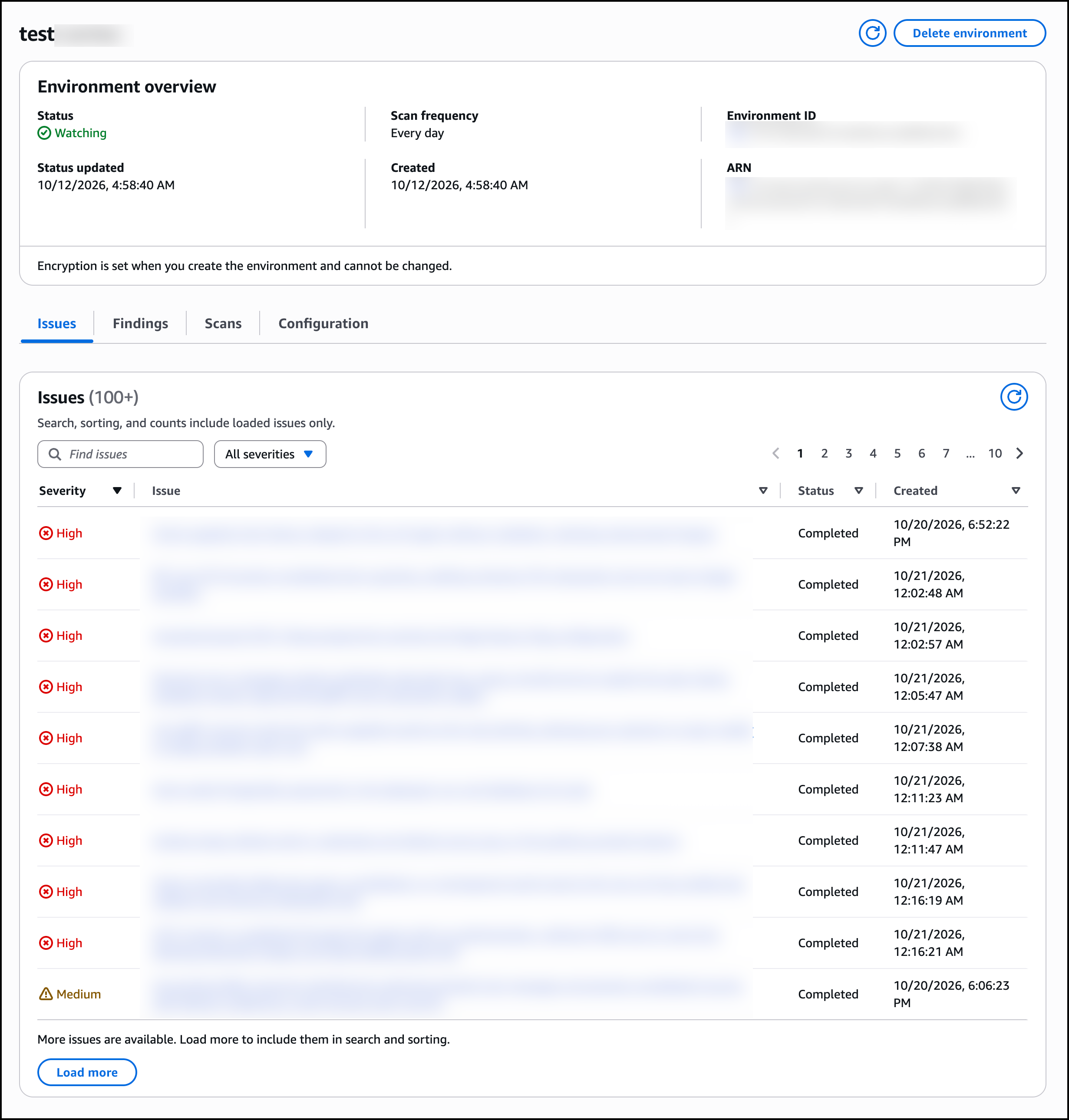
For the past decade, the standard for application security has been the reliance on Static Application Security Testing (SAST) and Software Composition Analysis (SCA) tools. While effective at identifying potential weaknesses in source code and dependencies, these tools have historically suffered from high false-positive rates. According to industry data from 2025, the average enterprise application generates thousands of security findings per month, with nearly 60% of these findings categorized as "low risk" or "unreachable" in a live production environment.
The emergence of frontier artificial intelligence models has further complicated this dynamic. Threat actors can now weaponize vulnerability disclosures—converting a published CVE (Common Vulnerabilities and Exposures) into a working exploit in mere minutes. This has created an asymmetric environment where attackers move at machine speed while defenders remain bogged down by manual verification processes. Previously, security engineers had to spend hours, sometimes days, cross-referencing scanner reports with infrastructure diagrams to determine if a vulnerability was truly exploitable. AWS Continuum was developed to close this gap by contextualizing findings against the actual AWS footprint of an application.

How AWS Continuum Functions
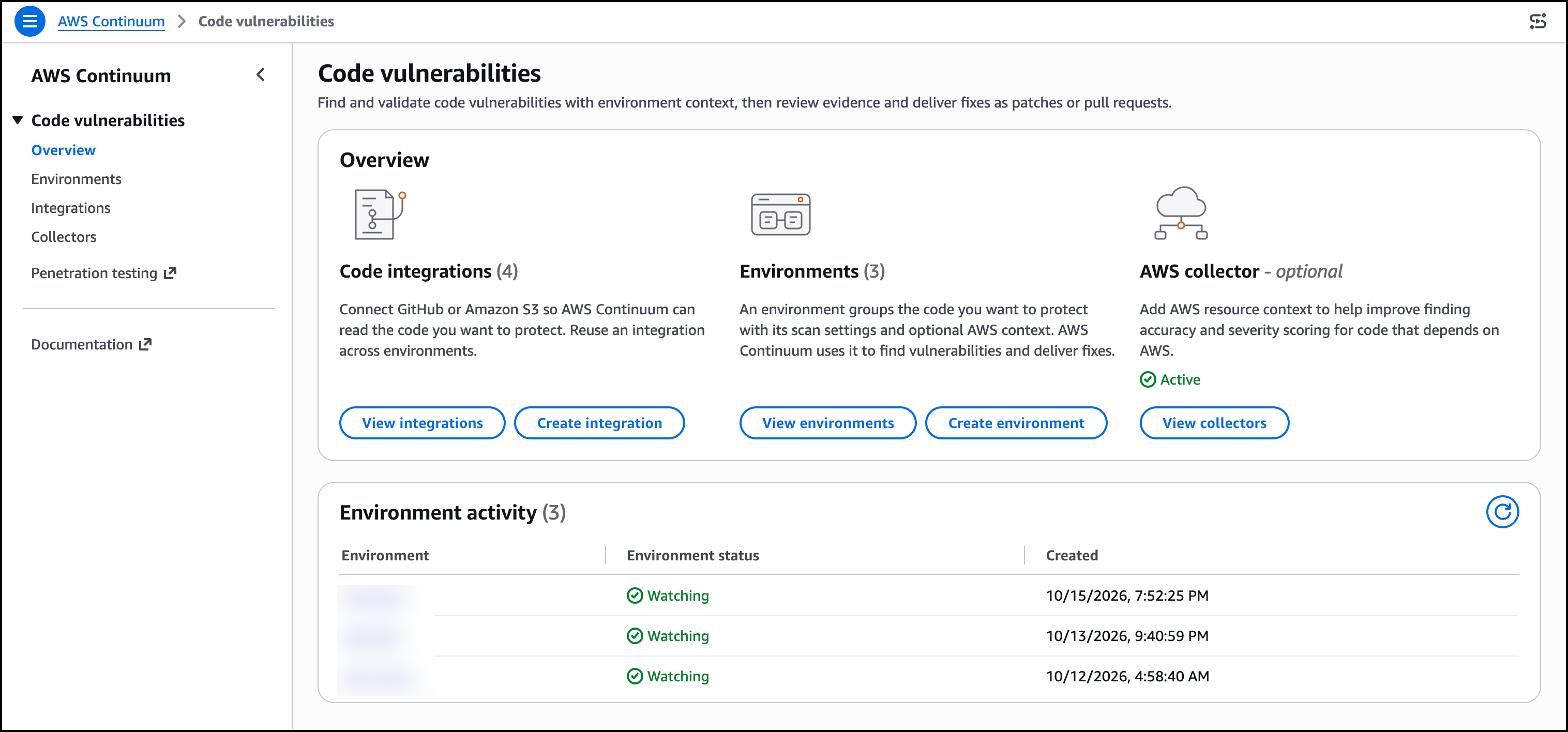
At its core, AWS Continuum functions as an intelligent layer that sits between raw scanner output and the developer’s repository. It operates through a sophisticated "context graph" that maps two critical data streams: the application source code and the live AWS environment configuration.
To enable this, users deploy a collector within their specific AWS Region. This collector interfaces with AWS Config and network topology services to map how code is actually deployed. By understanding the network reachability of a specific component—such as identifying whether a service is exposed to the public internet or buried behind private subnets—Continuum can filter out vulnerabilities that pose no real-world risk.
The service performs a three-stage validation process:

- Contextual Analysis: It determines if the vulnerable code path is actually reachable within the current infrastructure.
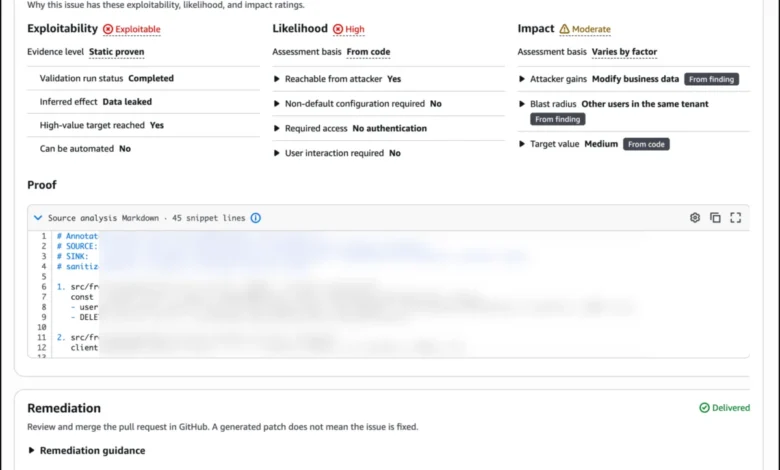
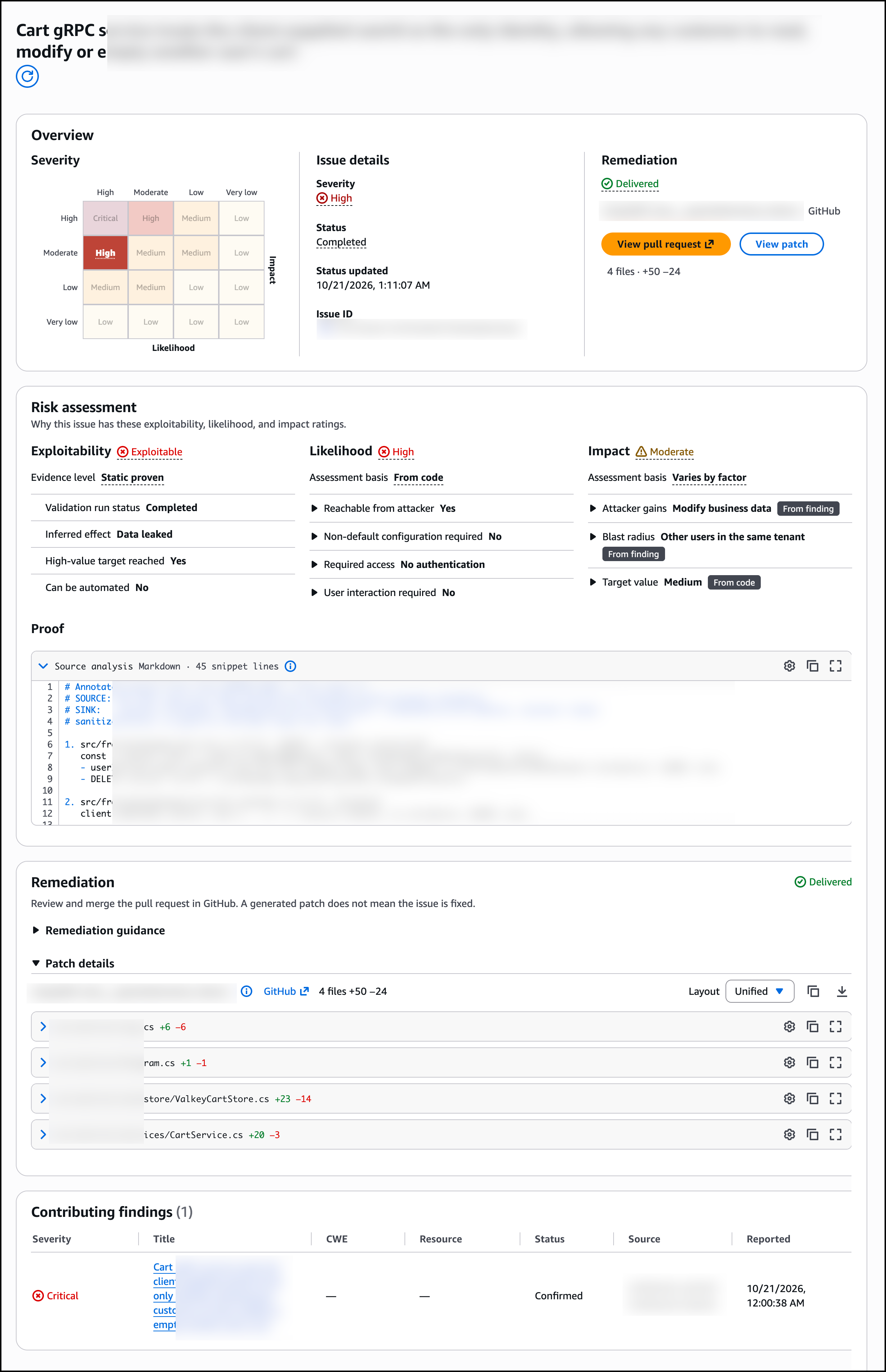
- Exploit Verification: For high-priority findings, it attempts to reproduce the exploit in an isolated, sandboxed environment. If successful, it provides developers with a proof-of-concept, drastically reducing the time spent on confirmation.
- Automated Remediation: It generates a specific fix—be it a dependency version bump, a code patch, or a configuration change—and submits it as a pull request directly to the organization’s source control system.
A New Workflow for Security and Development
The introduction of AWS Continuum signifies a departure from the "scan-and-report" model toward a "verify-and-fix" architecture. The service is designed to maintain the "human-in-the-loop" requirement, which is critical for enterprise-grade security. While the AI generates the fix, the final decision remains with the development team.
In the current implementation, every pull request generated by Continuum must be reviewed and merged by a human operator. However, the roadmap for the service suggests a transition toward "confidence gates." In future iterations, organizations will be able to define specific policies—such as requiring a certain threshold of test coverage or a proven history of success—that allow the service to apply patches autonomously. This capability aims to enable "self-healing" infrastructure, where critical security updates are applied without human intervention, provided they meet strict safety guardrails.
Addressing the Blast Radius
One of the most significant challenges in security patching is the potential for an update to break existing functionality. Security teams often delay patching because they lack visibility into the "blast radius" of a proposed change. Continuum addresses this by providing a comprehensive assessment alongside each fix. By analyzing service dependencies and historical performance, the system provides a risk score that informs developers exactly what the downstream impact of a patch might be.
This level of detail is a major departure from traditional CVSS (Common Vulnerability Scoring System) metrics. While a CVSS score provides a static numerical value for the severity of a vulnerability, it does not account for the business context. Under the traditional model, a vulnerability in a non-production utility might appear as a "Critical" threat. Under the Continuum model, the system recognizes the lack of production data access and network reachability, automatically downgrading the priority to ensure the team focuses on the vulnerabilities that threaten payment pipelines, customer databases, and authentication services.
Strategic Implications for Enterprises
The general availability of AWS Continuum arrives at a pivotal moment for cloud-native organizations. As application estates grow in complexity, manual security management is becoming unsustainable. By reducing the noise of false positives, organizations can potentially lower their mean time to remediation (MTTR) by a significant margin.
Industry analysts suggest that tools like Continuum will likely become a standard component of DevSecOps pipelines. The ability to automatically generate pull requests that are "ready to merge" reduces the friction between security teams, who want faster patching, and developers, who want to prioritize feature work. By providing the evidence and the solution simultaneously, the service effectively eliminates the "investigation phase" of the security lifecycle.
Timeline and Availability
The service was officially announced in October 2026, following a period of extensive beta testing with selected enterprise partners. The rollout is currently focused on major US regions, specifically US East (N. Virginia) and US West (Oregon). AWS has indicated that regional expansion will continue throughout the coming year, following the standard AWS service deployment trajectory.
Integration is designed to be relatively straightforward for existing AWS users. It supports major source control integrations, including direct GitHub connectivity and S3-hosted code repositories. By leveraging existing IAM (Identity and Access Management) roles, the service ensures that security analysis remains contained within the customer’s own environment, maintaining the strict data privacy standards expected by enterprise clients.
Future Outlook
As artificial intelligence continues to reshape the software development lifecycle, the role of tools like AWS Continuum will expand. The shift toward automated, evidence-based security is expected to force a consolidation in the security tooling market. Companies that rely on static, non-contextual reporting may find themselves at a disadvantage compared to platforms that offer integrated, actionable remediation.
The long-term impact of this technology will likely be measured by a reduction in the "patch gap"—the period between the disclosure of a vulnerability and the application of a fix. For organizations handling sensitive financial or personal data, this could be the difference between a secure environment and a catastrophic data breach.
For now, the focus for users remains on adopting the platform, configuring the collectors, and building the necessary confidence in the system’s remediation suggestions. As developers grow accustomed to seeing "Continuum-generated" pull requests in their queues, the culture of security is expected to move from one of reactive firefighting to proactive, automated maintenance. The service is currently available via the AWS Management Console, with comprehensive documentation provided in the official AWS User Guide to assist teams in their initial setup and configuration.